

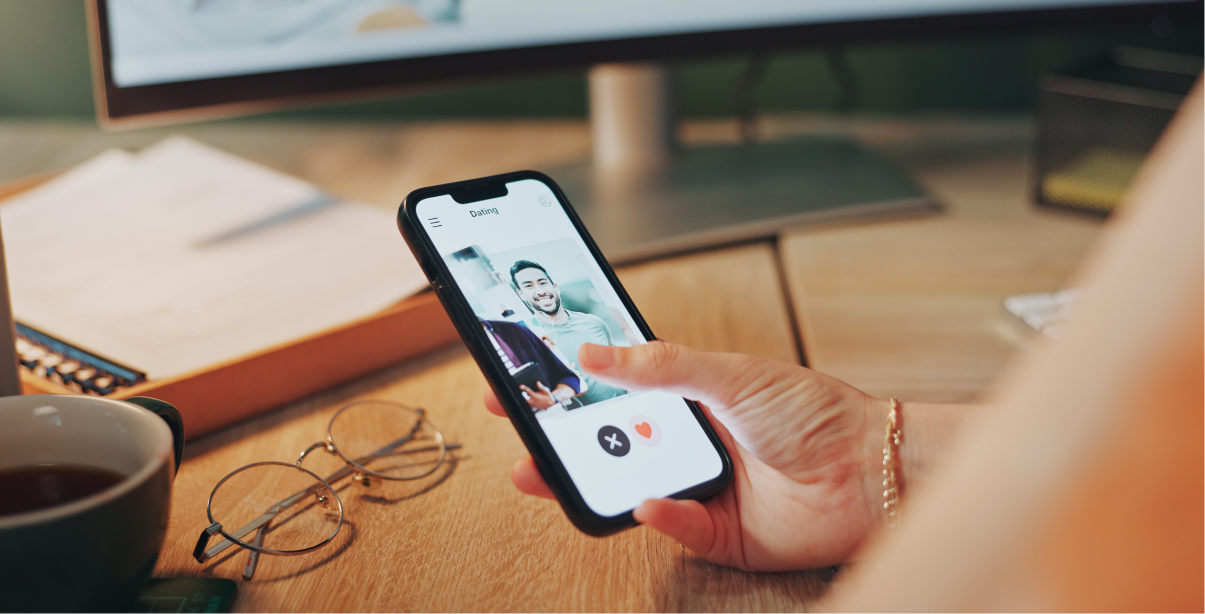
Dating platforms have an extraordinary challenge and opportunity: create an environment in which individuals can authentically and effectively share their unique qualities and express who they really are. Music is a powerful means of instantly signalling mood, taste, identity, and cultural belonging. Integrating music clips is the newest evolution for dating apps, and it hits all the right notes.
At Feed.fm, we understand how music in apps generates user excitement, connection, and motivation, and we’re combining our experience and our B2B music tech solutions to elevate dating apps beyond the swiping routine. Feed Clips makes it easy to integrate popular music features into your app with no technical or legal hassles. Read on for more about why music is the magic ingredient for reenergizing the dating app experience.
Why dating apps need music for better matches
Dating app profiles have long run on the same formula: a few photos, a handful of prompts, and the hope that something (or someone) clicks. It’s a format that gets users in the door, but rarely captures the full frequency of who someone actually is. The result? A sea of profiles that look and feel interchangeable, and matches that fizzle before they even get going.
Music clips cut through the noise. A song choice signals humor, nostalgia, confidence, or romantic intent faster than any text prompt ever could. Today’s singles already speak this language fluently, adding music to social posts that show the world who they are. And of course, sharing playlists or mixtapes has long been a way to show affection through music. Dating apps that integrate music are tapping into that. Music’s a product feature, but it’s also a cultural anchor, and a way of leveling up user personalization for your app.
Short music clips communicate personality and tone faster than traditional profile elements, with an emotional resonance that only music can deliver. They give users a richer, more authentic way to signal who they are, before a single message is sent. Communicating through music on the app can help users tune in to the matches they’re most likely to vibe with in real life.
.png?width=987&height=420&name=Dating%20app%20(1).png)
Music-powered dating apps create new engagement loops
Swipe fatigue is real, and the numbers back it up. Day 1 retention rates for dating apps slipped from 26% in 2023 to 24% in 2024, a trend that compounds quietly until users stop coming back at all. The apps and product teams winning right now are the ones giving users a reason to keep showing up.
Music in dating apps introduces lightweight, repeatable interactions. Unlike the high-stakes nature of sending the first message, music-based interactions feel low-pressure and playful. They give users something to respond to beyond a profile photo; it’s a natural conversation starter you can build directly into the product.
There are several ways music can generate these new loops in dating apps:
- React to someone’s music choice: a frictionless signal of interest that goes beyond a tap on a photo
- Send a music clip in chat: a playful way to keep conversations moving and express what words can’t
- Discover profiles through shared music tastes: a new discovery axis that emphasizes shared cultural touchpoints
These music-driven micro-interactions feel social and fun, giving users reasons to open the app beyond browsing profiles. Any music dating app that nails these engagement loops can turn casual sessions into genuine rituals…and ritual is the engine of retention.
Niche apps thrive on music: Dating apps build stronger communities one song at a time
Many dating apps aren’t built for everyone, and that’s by design. LGBTQ+ platforms, faith-based apps, cultural communities, and interest-specific services have created loyal audiences by doing something the mainstream giants can’t: making people feel like they belong. There’s an opportunity to reinforce that sense of belonging in every corner of the product experience.
Music is already a core part of cultural identity. For niche dating apps, leaning into that connection can build on the sense of community that makes these platforms irreplaceable. When users hear music inside the app that reflects their world, the platform itself feels like a place that understands them.
Curated music moments can reflect community culture, seasonal trends, or shared experiences within the platform. A reggaeton collection on a Latin dating app, a gospel collection on a faith-based platform, or pride-month playlists on an LGBTQ+ app all act as important signals to users that the platform is built for them, not just built for “dating” in the abstract. Music becomes a shared language on the app, strengthening the sense of community that keeps niche platforms differentiated from the generic giants.
Making music happen inside your app
Adding music to an app sounds simple. It isn’t. Licensing music and managing rights across global markets is a legal and operational maze that can consume months before a single note plays for a user. Most dating app product teams don’t want to own that problem, and they shouldn’t have to.
That’s where Feed.fm’s unified music system comes in. Feed Clips delivers music clips for apps through an end-to-end solution built for exactly this use case. Give singles the music they want with major-label, pre-cleared music clips across genres, eras, vibes, and celebrations, including collections purpose-built for romance and emotional connection. Whether you’re building a dating app for music lovers from the ground up, or layering music into an existing platform, every clip is cleared for user-generated content and social sharing, with rights managed behind the scenes.
Feed Clips’ developer-friendly API makes integration straightforward, while Clips Studio provides real-time analytics and insights into how music impacts user engagement and retention. Product teams get the music features their users want, without the legal complexity or operational overhead.
For any dating app ready to move beyond the swipe, music is the next meaningful layer.

 3 min
3 min