

Workin’ 9 to 5: Dolly’s legacy and impact on country music in 2026
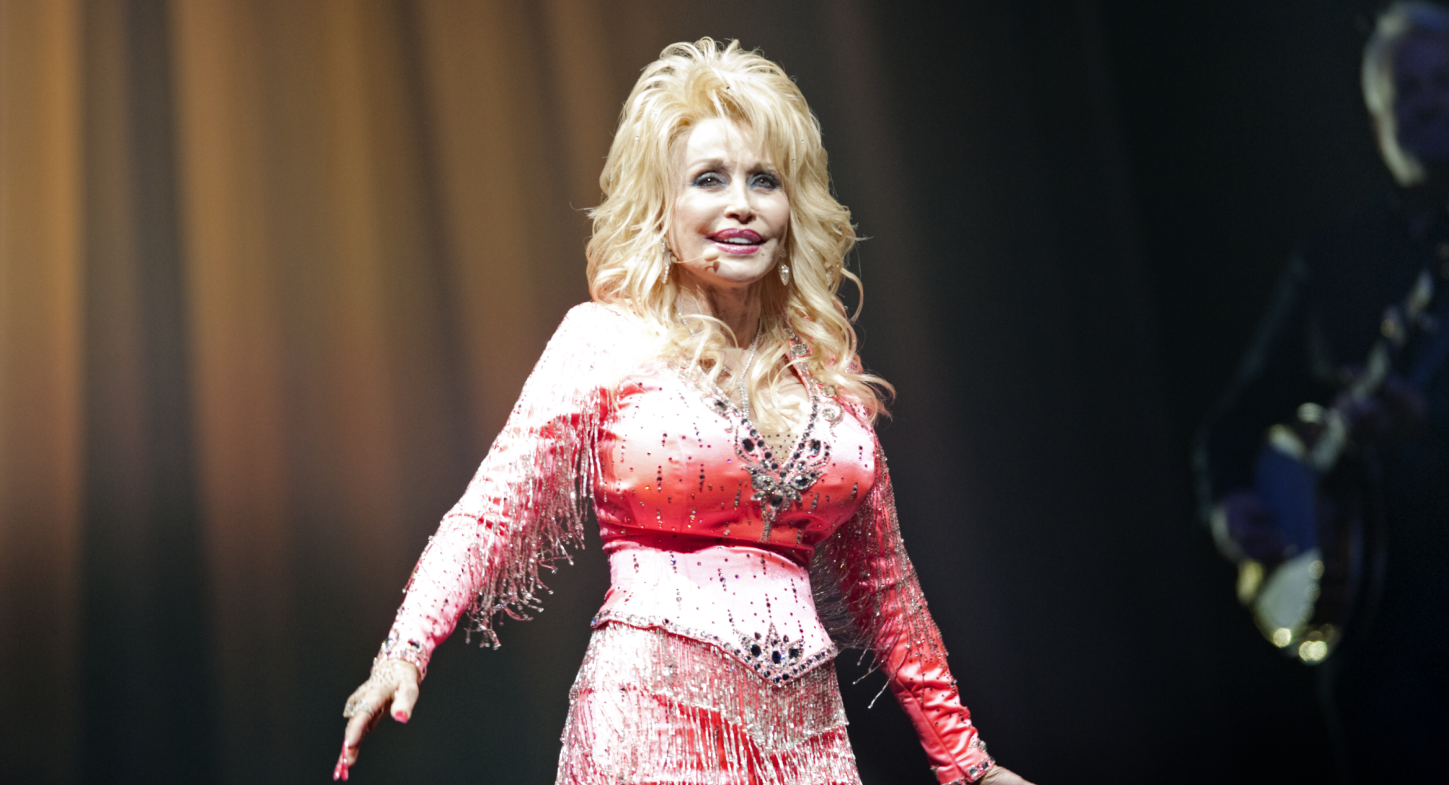
We were never going to be ready to lose Dolly Parton. Outside of her outstanding accomplishments in music, her generosity knew no bounds, and her heart was bigger than her hairdo most days.
She undoubtedly left the world better than she found it. And by the looks of the Billboard Charts as we close out the summer of 2026, as a woman in country music, she left that better too. The landscape of country music today has been distinctly shaped by Dolly, by her musicality, crossover appeal, and confidence to speak her mind. A legacy that lives on in the most popular artists in country music right now.
It's been a banner year for country music, with more country artists becoming household names for fans outside the genre. The country genre is no longer confined to the singular dial it occupied for decades. It's been fully integrated into mainstream pop culture, and can be found everywhere from your favorite coffee shop to the most hardcore gym, being popularized by listeners who would have never identified as a country fan even five years ago.
It's been an especially big year for women in country.
Women reclaiming the country music genre
Lainey Wilson’s early career consisted of releasing solid albums that didn't crack mainstream awareness until she leaned even more into her gritty but grounded voice. Her breakthrough came from her authenticity, and she's become one of the most visible female artists on country radio and streaming platforms.
Megan Moroney built a fanbase through social media, songwriting, and sass. All before country radio figured out how to market her. She represents a generational shift: artists who bypass traditional gatekeeping and build audiences directly.
Stella Lefty, the latest newcomer on the scene, leans on a genre-blending style that younger listeners gravitate towards, unafraid of pushback for not being “country enough” and succeeding in spite of the haters.
And most importantly, that brings us to Ella Langley. "Choosin' Texas" has been knocking down records left and right this year. From a country radio #1 to the first "traditional" sounding country song to top Billboard’s Hot 100 since Dolly's "9 to 5" did it 45 years ago, this song's rise has been nothing short of meteoric. Against all commercially predictable odds, a song with twang, referencing both Amarillo and the Smoky Mountains, has captured the heart of America and beyond. Langley has even found traction in the U.K., and there are "Ella Fellas" Down Under who can't help but sing along. In addition to it being the undeniable Song of the Summer, “Choosin’ Texas” has held the number one spot on the Hot 100 for a record-breaking 20+ weeks, poised to surpass Mariah Carey’s 22-week crown over multiple holiday seasons.
So, beyond the rightful merits of “Choosin’ Texas” just being a great song, how did this happen? How has country music more broadly come to dominate the airwaves this year?
Why country? Why now?
For the team at Feed.fm, we've been watching country music's rise in fitness contexts closely over the last six years. The genre didn’t magically become better suited for workouts overnight; it evolved alongside other musical trends to become more usable in high-intensity contexts.
For most of the late 2010s, a curation problem sat at the heart of the challenges in using country music for fitness. Popular country tracks had low intensity relative to their BPM; a song might clock 130 BPM but feel mellow, lacking the sonic urgency that keeps users locked in during a workout. That's changed.
The shift started with “bro country” in the 2010s, when Florida Georgia Line achieved mainstream success by incorporating hip-hop-style swagger and collaborating with rappers like Nelly. It was a commercial fusion that opened the door for other artists to get more experimental across genres. Then came "Old Town Road" in 2019—a watershed moment where Lil Nas X redefined “country rap,” went multiplatinum, and added to the identity crisis of modern country music.
Morgan Wallen's rise followed a similar pattern: hip-hop beats, harder rock edge, and producer Joey Moi's trap-style hi-hat patterns that gave songs a driving intensity independent of their melody. Suddenly, country tracks had the kinetic energy that made them useful in fitness contexts.
Streaming accelerated the audience shift too. Younger listeners discovered country via playlists, hearing it alongside hip-hop and pop. Older country fans embraced streaming platforms, expanding the genre's digital footprint. The result is a 30-year-old in Los Angeles hearing country on TikTok, a teenager in rural Georgia hearing hip-hop-adjacent country production, and neither finding the genre surprising or out of place.
On terrestrial radio, the shift is unmissable. Nearly 30 percent of top 40 radio's top 10 are currently country songs.
The pendulum swings back
For another explanation of country’s growth, we turn to Newton's Third Law of Motion: for every action, there is an equal and opposite reaction.
The domination of "bro country" in the 2010s sparked genuine backlash from country purists and traditionalists who saw the genre's core values—storytelling, authenticity, instrumental musicianship—getting buried under truck references and beer-can crushing. The frustration was legitimate. Country was becoming a parody of itself.
Then came "Tomatogate," a moment that crystallized the misogyny undercutting the industry. A radio programmer at a major market station remarked that playing female artists on country radio was the garnish in a genre they'd been central to since its inception. The comment exposed what many had long known: gatekeeping in country radio was real, and it was gendered.
But pendulums swing both ways. The cliché country lyric crutches got old. Listeners got bored, and the appetite for substance in country returned. The women in the genre were ready to fill the void, and unsurprisingly, the ladies that rose to the top were already embracing Dolly’s best attributes: quality songwriting, stylized show(wo)manship, and unabashed confidence.
Dolly didn't just make great country music. She made uncompromising choices about what that music could be—a crossover hit that didn't apologize for its twang, a career that moved between country, pop, and cultural commentary without asking for permission. She modeled a kind of artistic independence that her successors have taken and run with.
Lainey Wilson's rawness, Megan Moroney's authenticity, and Ella Langley's unironic commitment to traditional country sonics all echo that same principle: country music at its best comes from artists who know what they sound like and commit to it, regardless of what trends dictate.
That’s the legacy Dolly left behind.
Country is showing up in workouts whether your app plans for it or not. Our curators have been programming it for fitness apps for six years, from the bro country era to "Choosin' Texas." Request a consultation with a Feed.fm music specialist to see how country fits into your app's music programming.
 3 min
3 min