

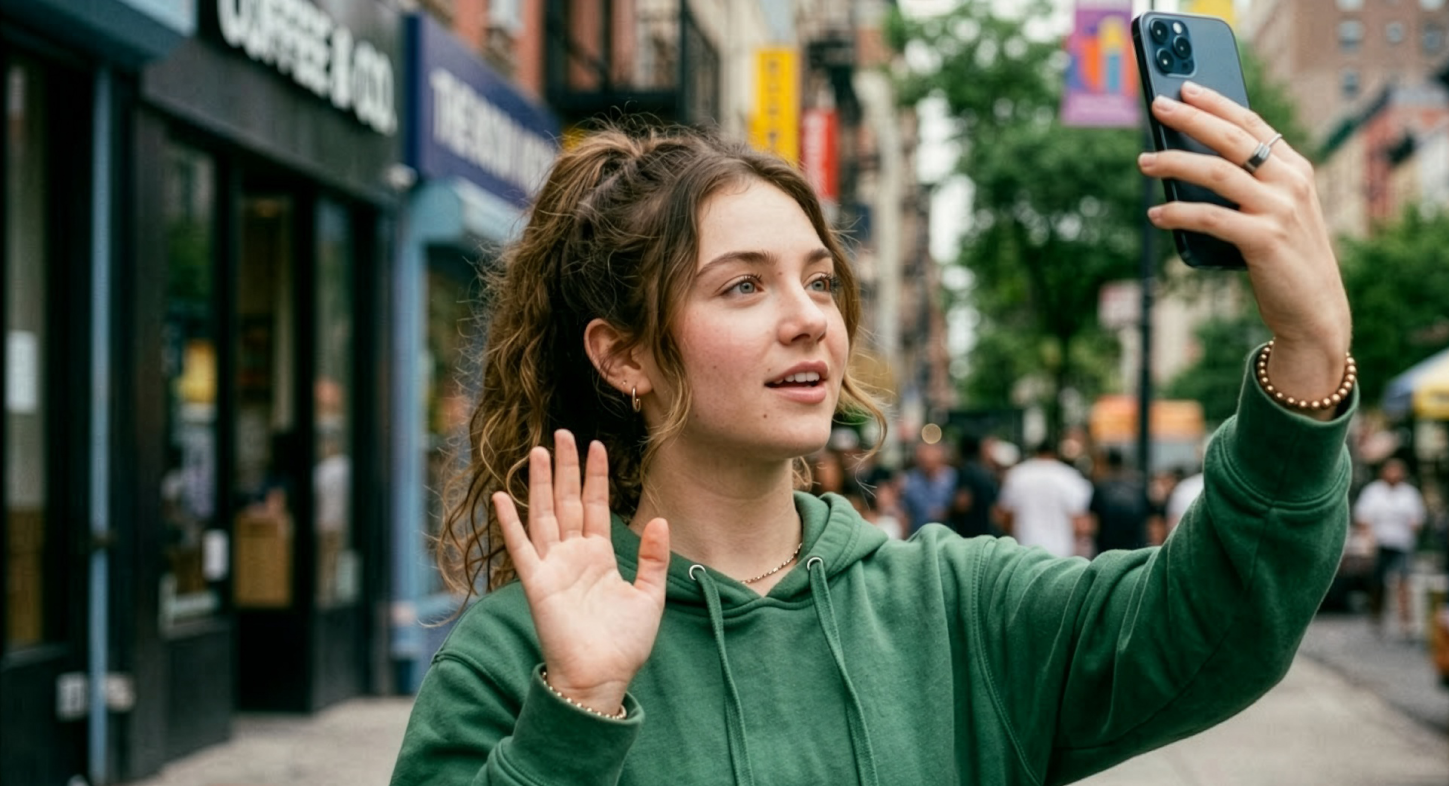
If you are building a social platform, and you think the music on the Top 40 or Billboard charts is popular across all social platforms, think again. TikTok, YouTube Shorts, and Instagram Reels attract different audiences. Their users are approaching the content (and the music that soundtracks it) with different mindsets that are not tied to industry standard charts. Music for user-generated content (UGC) is nuanced, and the data makes that clear.
Billboard Hot 100 and Top 40 radio are the two most widely cited barometers of mainstream consumption. Hot 100 blends streaming volume, digital sales, and airplay into a single ranked list, while Top 40 reflects what commercial radio programmers are actively rotating to the broadest possible audience. Together, they measure what the general public is actually listening to at scale, but it doesn’t always match the trends in music for UGC.
Looking at the data across April and May 2026, both YouTube Shorts and Instagram show roughly 20% overlap with both charts, meaning one-fifth of what is trending on Shorts and IG are already sitting inside mainstream consumption. TikTok shows a mere 6% overlap with the charts. That gap is a signal. UGC virality is not driven by the charts; it’s driven by how well a track functions inside a moment, and by what resonates on each platform.
Each platform has cultivated a distinct creative persona, and each persona has a fundamentally different relationship with music. Understanding those differences provides valuable context when it comes to building out music features in UGC product experiences.
The three creator personas and how they select music for user-generated content
This breakdown is written for product managers, music strategy leads, and partnerships teams at social platforms who are making decisions about licensing, discovery, and creator tools.
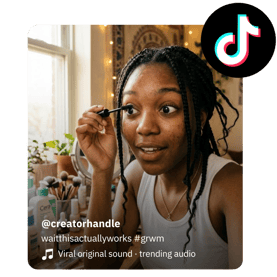
The Idea-Driven Creator (TikTok) This is someone building for repeatability and scale. They are not looking for the biggest song; they are looking for the right piece of audio that makes a concept click. Music here acts as a tool. It sets up the joke, drives the transition, or creates a moment people want to recreate. That is why so much of TikTok is powered by original sounds, edits, and tracks that never show up on Billboard. For this persona, the value of music is in what it unlocks, not popularity.
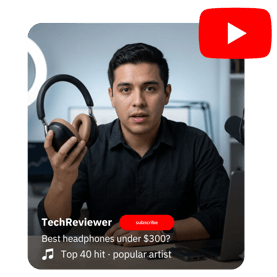
The Viewer-First Creator (YouTube Shorts) This persona thinks about content through the lens of an audience that expects clarity and familiarity. Popular music anchors content quickly and makes the moment easier to understand. That is why you see a higher overlap with Billboard, including more recognizable songs that create instant connections. But even here, it is not just about picking a hit. The music still needs to serve the content. The right song is the one that makes the message land instantly.
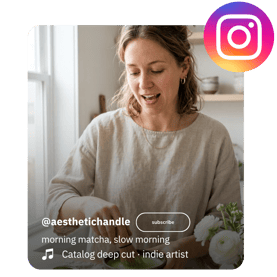
The Aesthetic Curator (Instagram Reels) This persona is less focused on format and more focused on feeling. They are building a point of view, a mood, or an identity. Music becomes a layer of expression that shapes how content is experienced. With only about 20 percent overlap against traditional music charts, emotional resonance matters more than popularity. Catalog tracks, remixes, and unexpected cuts consistently outperform trend chasing here. The right song is the one that feels true to the moment.
Where to start when you're building a music strategy for a new social platform
Most music supervisors and product managers building creator tools are all trying to solve a version of the same problem. The landscape is fragmented, trends move fast, and what works on one platform does not translate cleanly to another. Understanding how music functions across these environments takes thoughtful analysis.
Trying to navigate the music strategy by building the implementation in-house is where most teams get stuck. Without a unified music system, you are navigating the slippery world of licensing, rights, and reporting on your own, which quickly slows product development and limits what you can actually ship.
Soundtracking social media with Feed Clips
Feed Clips is built around how music for UGC actually gets used. We track how sounds perform across platforms, watch how creators are using them, and go beyond just the obvious viral hits. From there, we curate collections of major-label music that are pre-cleared for social so product teams can deliver soundtracks that actually match how creators work and what they are trying to make.
That means you are not just getting what is sitting at the top of the charts. You are getting music that fits behavior trends. Tracks that unlock ideas on TikTok, create instant clarity on YouTube Shorts, and help build a point of view on Instagram Reels.
In UGC, the right song does more than sound good. It makes the content work.
If you want to put the right music to work in your app, connect with one of our music specialists to discuss a music strategy for your audience and see how Feed Clips fits into what you are building.

This article is part of an ongoing Feed.fm series tracking the social charts and what they mean for apps building with music.
 3 min
3 min