

Every June, one question dominates the music industry: what will be the song of the summer?
There are no judges or official ballots. The answer comes from millions of listeners, creators, and fans who collectively decide which song becomes the soundtrack to vacations, cookouts, workouts, and endless scrolling.
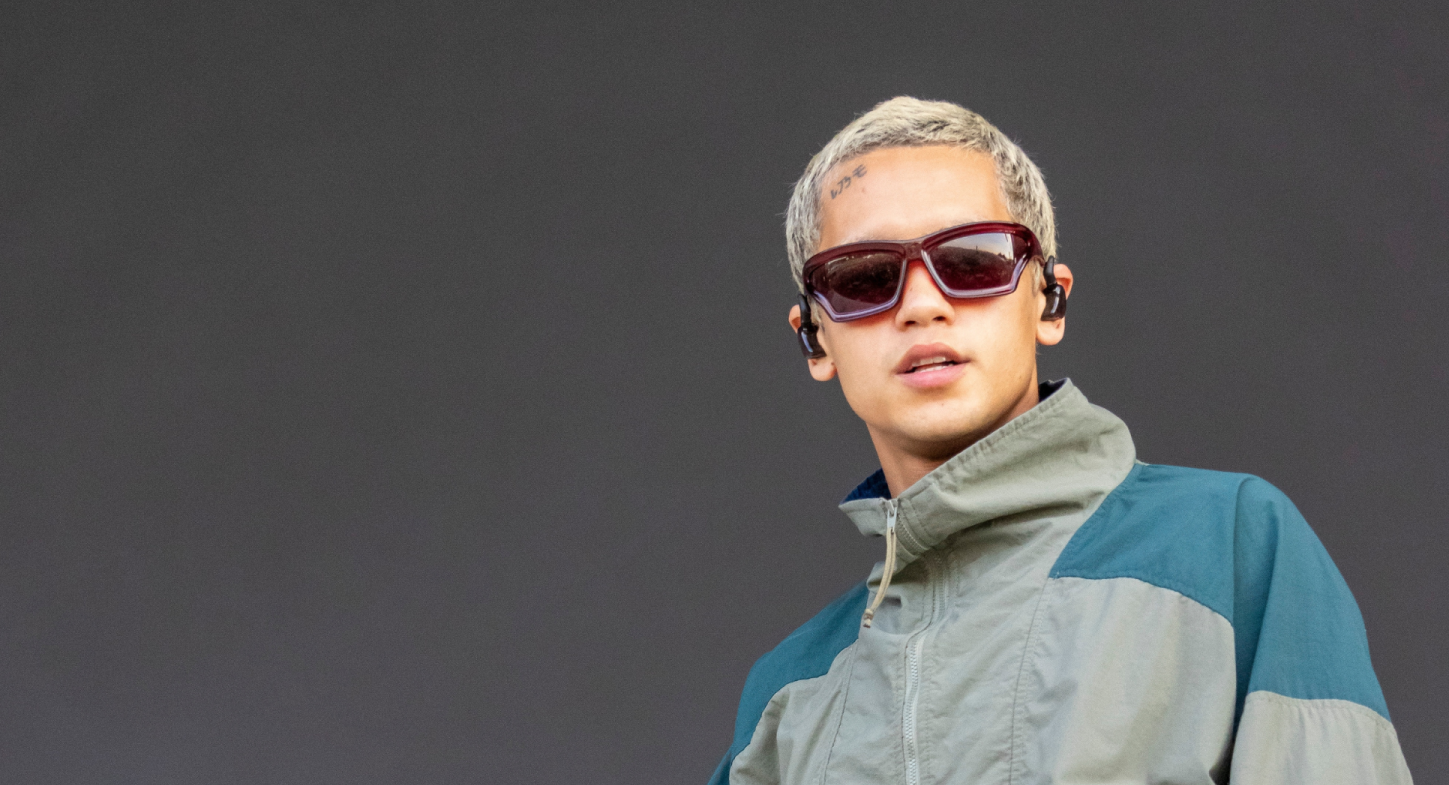
The 2026 song of the summer race isn't just about this year's biggest releases. While Ella Langley's "Choosin' Texas" has spent ten non-consecutive weeks at No. 1 on the Billboard Hot 100, Dominic Fike's "Babydoll" (originally released in 2018) crossed a billion streams on Spotify in March and peaked at No. 16 on the same chart, without a promotional campaign or a playlist push. Both songs are competing for song of the summer 2026. Only one of them is new.
New releases don't drive creator behavior
For years, brands assumed that new music was the safe pick. If a song was climbing the charts, it felt like the obvious choice for a campaign or in-app experience. The creator economy works differently.
Creators on TikTok, Instagram Reels, and YouTube Shorts choose songs because they evoke a feeling, enhance a story, or immediately connect with an audience. Catalog songs, music released years or even decades ago, now compete with new releases every day, surfacing through viral trends, nostalgic moments, TV placements, and creator challenges.
Luminate's Retro Revival report puts data behind what creators already know: listeners ages 13 to 24 are increasingly choosing music released before they were born. The phrase "2026 is the new 2016" has become shorthand for the nostalgia wave driving online engagement, and Luminate found measurable overlap between nostalgic listening habits and consumer buying intent, meaning older songs continue to create real commercial value for the brands built around them.
One song can have multiple lives
Dominic Fike re-released "Babydoll" as an official single on February 27, 2026, in direct response to its sudden virality. The song had already broken. UGC creators chose the song, and the song found its moment. Dominic Fike’s story highlights something brands are increasingly discovering: great songs don't expire. They wait for the right moment.
Alex Warren's "Ordinary" has spent 64 weeks on the Billboard Hot 100. Sombr's "Back to Friends" has logged over 50. These songs keep finding audiences because creators keep choosing them.
Asking the right music strategy questions
The most common question brands ask when evaluating music licensing is: do you have the latest releases? It's understandable, but it's not the most useful one. A stronger question is: do you have the music creators actually use? Those aren't always songs from last Friday. They're the ones with proven staying power: songs people already know, already love, and instinctively reach for when telling stories online.
For app product teams building creator experiences, that distinction matters in both song selection and overall music strategy. A catalog that spans years of hits gives creators more raw material to work with, and gives campaigns longer natural lifespans than anything that dropped last week.
How Feed Clips surfaces the right music for creators
Feed Clips gives app product teams access to licensed music spanning decades of work from influential artists, providing brands with the flexibility to build creator experiences around songs with proven cultural staying power.
Feed Clips collections are built around that principle: songs curated for the moments creators are soundtracking.
The song of the summer 2026 might be brand new. Or it might be eight years old. For product teams building digital experiences or adding music to an in-app UGC feature, planning for both is the smarter strategy.

Pictured above: Dominic Fike, Photo Credit: Mann/Shutterstock
 3 min
3 min